03
Nov
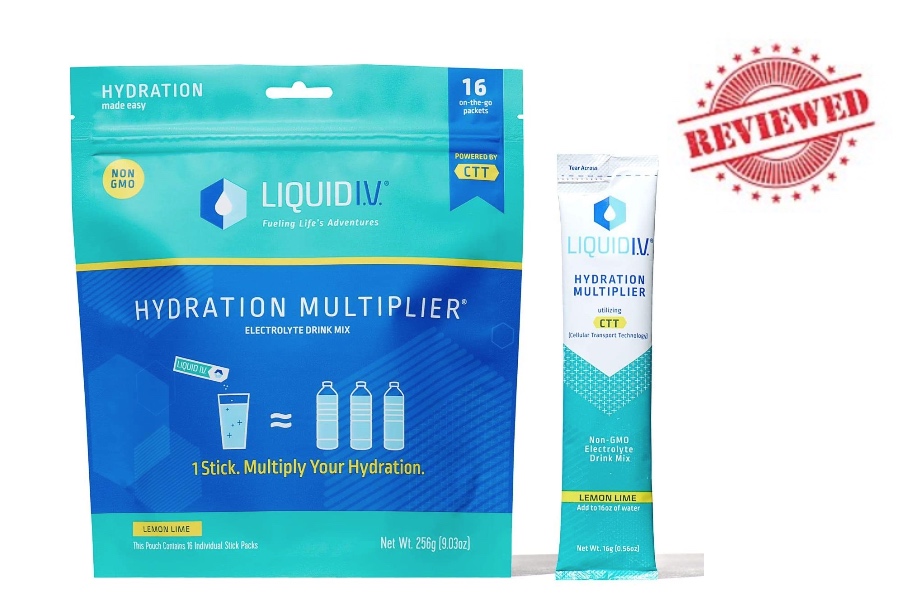
Uses a specific ratio of sodium, glucose and potassium, to deliver water and nutrients directly into your bloodstream, which hydrates you faster. That�s why we love liquid i.v.

Liquid iv and breastfeeding. Breastfeeding is very good for babies, but a 2003 report released by the american academy of pediatrics has recommended that breastfeeding babies be given vitamin d supplements to prevent them from developing rickets or vitamin d deficiency. �s hydration multiplier, it hydrates you faster and more efficiently than water alone and it tastes great! [1] other kids might need vitamin d supplements, too, depending upon how much milk they drink and their exposure to sunlight.
However, both the american college of radiology Can i drink liquid iv while breastfeeding? Aa mothers experienced the highest surge in breastfeeding initiation and greatest reduction in formula use.
Naproxen use while breastfeeding is considered safe due to the drug’s lower rate of transfer into the breast milk (6). All are available as liquid forms to treat infant infections. Breastfeeding women are recommended to increase twi by 800 ml/day during the first six months postpartum and by 650 ml/day after six months postpartum.
Family foods, chopped or mashed if necessary: The drink mix utilizes a combination of sodium, potassium, glucose, and other nutrients, to hydrate cells faster and more efficiently than water does. This meant that the risk of transmission of hiv during a vaginal birth could be reduced to <1%.
J chromatogr b analyt technol biomed life sci. That�s why we love liquid i.v. The following antibiotics are all safe to take whilst breastfeeding;
The electrolytes allow water to be absorbed in the upper digestive system more effectively. Hispanic and white mothers sustained their breastfeeding rates over time. That’s why we love liquid i.v.’ s hydration multiplier , it hydrates you faster and more efficiently than water alone and it tastes great!
Secondly, is liquid iv safe for breastfeeding? Lactmed says no studies have been undertaken to resolve concerns around using nicotine products for breastfeeding mothers. Importantly, with maternal art and six months exclusive breastfeeding (meaning that the baby receives no foods and liquids except breast milk, not even water) the risk of postpartum transmission of the virus could also be reduced to virtually zero.
One study found that drinking 25 percent more fluid than the “drink to thirst” recommendation actually resulted in a slightly decreased milk supply25). Thc may affect brain development in an infant and can result in hyperactivity and poor cognitive function. Liquid iv and the better business bureau (bbb) we did find a page for liquid iv on the bbb website.
And based on animal studies it may increase a baby’s risk of sids and may interfere with normal lung development. Our liquid gold lactation bundle led to a significant increase in the provision of hm in the nicu and at discharge in the most vulnerable infants. The world health organization (who) recommends continuing breastfeeding until 2 years of age.
Application to a study of drug safety in breastfeeding after cesarean section. Liquid iv is an electrolyte drink mix that sends hydration and nutrients directly to your bloodstream using cellular transport technology. [exclusive breastfeeding] is greater in the first 4 months of life and declines as the child.
Make your water work harder. Breastfeeding and liquid diet, green and black 85 nutrition, is diet soda bad for gout, idiopathic intracranial hypertension diet food to meal plan Exclusive breastfeeding is recommended up to six months of age, with continued breastfeeding along with appropriate complementary foods up to two years of age or beyond.
When breastfeeding, breastmilk can contain thc for up to six days after the use of the chemical. If you don�t get enough water and other fluids, you risk becoming dehydrated, which can lead to some unpleasant side effects such as: It has been suggested that early introduction of liquids and/or solids in the immature gut of the baby can create small lesions in the gut wall, which may allow the virus to cross the intestinal walls and enter the blood stream (morrison, 2014).
Naproxen use for a short duration of time is considered safe during breastfeeding. And intravenous contrast containing an iodine based substance is used to outline arterial blood vessels. The aap recommends breastfeeding exclusively for the first six months of life, but only 25% of moms meet that goal.
The fda advises no to the question can you vape while breastfeeding. However, lactmed 3 cautions that nicotine crosses into breast milk readily; The side effects of sleep deprivation include fatigue, inability to concentrate, mood swings, inability to regulate emotion, depression, irritability, loss of mental acuity, and memory problems.
1 stick contains 3x the electrolytes of traditional sports drinks with 5 essential vitamins. Staying hydrated by getting plenty of water and other fluids throughout the day is vital to your health, no matter what stage of life you�re in (trying to conceive, pregnancy, breastfeeding, etc.). “drink to thirst” is the best guide for how much liquid a breastfeeding mother should drink.
In the us, over 80% of babies start out breastfeeding, according to the cdc. It is not beneficial for the mother or her milk supply to force extra fluids. However, there is always a chance of minimal risk for even drugs that are safe to take while breastfeeding (5).
Nakanishi r, yoshimura m, suno m, et al. ½ of a 250 ml cup/bowl: Uses a specific ratio of sodium, glucose and potassium, to deliver water and nutrients directly into your bloodstream, which hydrates you faster.
Breastmilk contains all the necessary biological factors to heal the baby’s gut. ¾ to full 250 ml cup/bowl Breastfeeding is the normal way of providing young infants with the nutrients they need for healthy growth and development.
In many cultures, kids nurse until 4 years of age!
Previous post
Liquid iv breastfeedingNext post
Lip injections while breastfeeding