
08
Jan
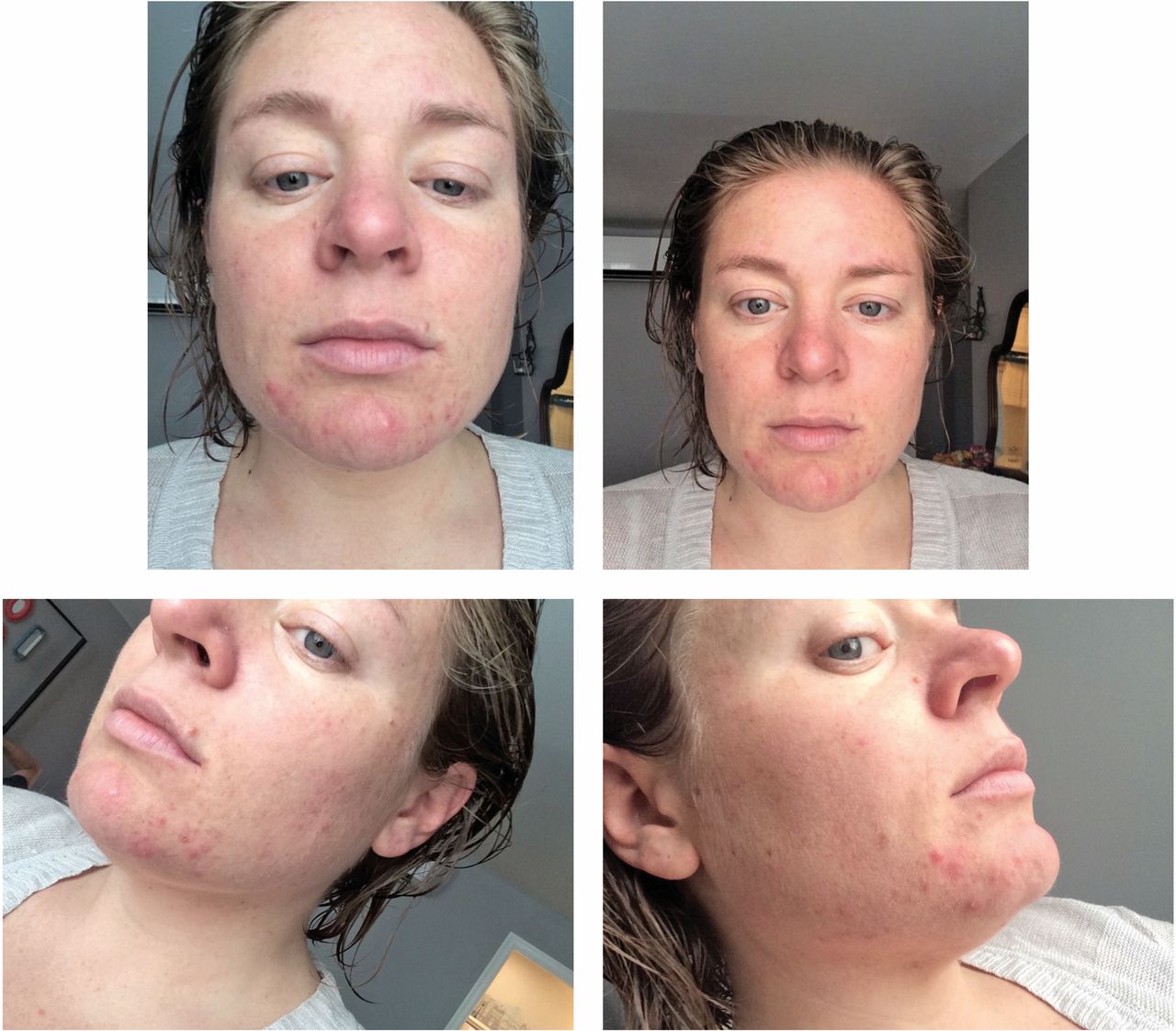
Hormonal acne breastfeeding. These topical acne medications function as antimicrobials and help unclog pores, too. When treating acne while pregnant or breastfeeding, however, there are special precautions that women must take in order to ensure the safety of their new babies. While you are pregnant, your hormones are working in order to prepare for breastfeeding once the baby is born.
This is irresponsible since breastfeeding can have a significant health impact on the. This continues after delivery too. Green says that while you’re breastfeeding, your body is producing a large.
Menopause causes another acne surge as hormone production fades and your body is once again forced to adjust. Clogging the pores and causing pimples. They can pop up as whiteheads, blackheads or cysts, but the telltale sign of hormonal acne is where they appear:
A rise in serum androgen levels in pregnancy leads to increased sebum production and hence causes acne. 1) androgen receptor blockers (spironolactone, flutamide, cyproterone acetate), which block the effect of androgens on the sebaceous gland; Accordingly, some women who are prone to acne may see breakouts during the months that they are breastfeeding.
When you cut back on breastfeeding or pumping, or your baby does, and/or stop altogether, your body produces less and less oxytocin and prolactin, these “good hormones,” so it follows that you might feel something akin to a comedown, feeling less and less calm (to put it mildly) and less and less contented (borderline suicidal in my case). But with adults, hormonal acne is typically seen on the lower part of the face. Typically affecting the neck and lower area of the face, hormonal acne varies between mild and severe, but often presents itself as raised red bumps that can be painful to touch.
If you are trying to conceive, are currently pregnant, or are breastfeeding, we can recommend safe treatments and adult acne medication for minimizing breakouts. The hormones are transferred to a baby through the milk, and can cause the baby’s sebaceous glands to overproduce sebum; It’s also safe to use benzoyl peroxide when you’re breastfeeding.
However, doctors sometimes prescribe hormonal treatment to girls and women, as long as they are not pregnant or breastfeeding. Banishing breakouts when pregnant or breastfeeding They are pretty much all considered safe for nursing mothers, alpha.
After delivery, it takes some time before the hormones settle down, and hence acne might occur. Hormonal acne may be caused by hormonal changes like the ones that occur during puberty, pregnancy, breastfeeding, adolescence, perimenopause, menopause, etc. Acne is a common occurrence after weaning due to the huge fluctuation in hormones that happens during this period.”.
Along the jawline, neck, back and shoulders. Once the baby is born, more important roles are placed upon both prolactin and oxytocin. I very quickly broke out with numerous, huge cystic acne.
With the body genetically focused on pregnancy, childbirth, and breastfeeding, hormones actually peak in your 20s and early 30s. 3) glucocorticoids, which cause adrenal suppression of androgen production; If breastfeeding, the hormonal change may persist for a period of time and this continues to contribute to the acne.
Acne can result, even if it passed you by when younger. Acne neonatum “ breastfeeding acne, is the acne that is caused by the mother�s excess hormones in the breast milk. When you become pregnant, your body releases a surge of progesterone, the hormone that helps to line the uterus and prepare.
Drugs used in the hormonal treatment of acne fall into four categories: Over the 8 months, i have seen a few different doctors and dermatologists, as well as regularly visited a medical spa. Moreover, for new mothers reduced sleep and increased stress may also cause pimples.
Because acne breakouts are often linked to hormonal fluctuations, it is not uncommon for women who are pregnant or breastfeeding to experience acne, even if their skin was previously clear. The hormones that are involved during pregnancy to prepare for breastfeeding are estrogen, progesterone and prolactin. After childbirth, acne that started up during pregnancy may not resolve.
This does not necessarily mean that breastfeeding itself causes acne, but the continuing hormonal fluctuations that breastfeeding moms experience certainly may be a contributing factor. It has been 8 months and i am still battling it. Skyrocketing progesterone and estrogen fluctuations lead to increased sebum production and clogged pores.
Hormonal treatments reduce the amount of androgens, which in turn decreases skin oil production, and ultimately reduces acne symptoms. However, breastfeeding women should not consider stopping feeding in order to settle their skin condition. Hormonal acne after pregnancy cause:
Previous post
How much water should breastfeeding mom drinkNext post
Hepatitis c and breastfeeding