
29
Sep
Do not administer essential oil to babies. All peppermint essential oils should be avoided.
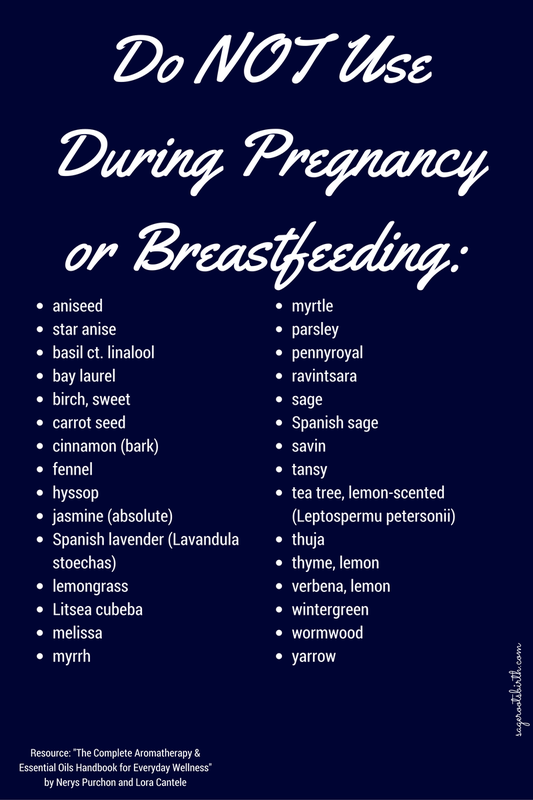
Essential oils to avoid while breastfeeding. As a rule of thumb, no essential oil should be ingested during pregnancy and breastfeeding. Externally, only after the first trimester. Do not use essential oils daily, as a topical perfume or always to have a diffuser on to make the house smell nice.
Do not detox while pregnant and lactating. Clarity, deep relief*, exodus ii, panaway, raven, relieve it*… Alternatives to essential oils while breastfeeding.
Some essential oils may be too harsh on breastfeeding moms as they may be toxic, carcinogenic, hepatotoxic, nephrotoxic, abortifacient, embryotoxic, fetotoxic, or teratogenic. Blue cypress, carrot seed, cinnamon bark, dill, hyssop, idaho tansy, myrrh, nutmeg, rosemary, sage, and wintergreen blends: Avoid essential oil blends that are identified as a detox blend.
The fact that essential oils have the ability to pass from your body to your baby through the. Internal use while breastfeeding is a divided topic and up to your discretion. Other essential oils that can help with milk production are basil, cardamom, dill, geranium, and jasmine.
One of the safest oils for a breastfeeding mother to use is lavender (lavandula angustifolia). You are advised to avoid all oils that were extracted using solvents such as butane or hexane as they could leave traces which may be harmful to babies. Peppermint {safe in pregnancy, avoid during breastfeeding)
Do not put more than 12 drops of essential oil per. Essential oils should only be used topically and after diluting them with carrier oils, such as almond, hemp seed or coconut oil. It can potentially help to increase your milk supply, but it also can help with the tenderness that often follows nursing.
Fennel (small amounts) rose geranium; Citrus (in small doses) jasmine; While fennel seed essential oil is not to be used in pregnancy, it can be used while breastfeeding and many find it works wonders for breastfeeding.
Always dilute the essential oil with a carrier oil (fractionated coconut oil, almond oil, olive oil, etc.). Best to avoid in pregnancy. There have been a few studies showing that peppermint can decrease your milk supply.
When using these oils topically, mix them with carrier oil and apply directly to your breast but avoid the nipple area. Additional essential oils that have therapeutic benefits and are safe for pregnancy (after the first trimester) include: In herbal medicine, basil oil is used to reduce milk supply and manage hypergalactia, which is an oversupply of breast milk (13).
Although essential oils may be very safe and effective when breathed through your nose or massaged into your skin, they should not be ingested until you are working with a professional. Read the labels of your essential oils carefully to make sure each ingredient is safe. The same is true for cinnamon, cloves, and other plants when distilled into an essential oil.
Safe essential oils to use while pregnant or breastfeeding. Avoid blends with peppermint in them, too. However, many research studies also recommend that clove essential oil is can.
Avoid in pregnancy, with infants and young children. Other oils that may be considered are geranium (pelargonium graveolens), roman chamomile (chamaemelum nobile), and fennel (foeniculum vulgare var. There are 4 common ways in which to use essential oils for breastfeeding.
This property of basil oil is useful for mothers experiencing engorged breasts. Here are a few essential oils it is best to avoid while you breastfeed. Pregnant and lactating women should remember to use only very little amount of essential oil with 1% dilution.
There are several essential oils that should be avoided by women due to their potency and properties that can be dangerous to your child. Essential oils for breastfeeding cons. All peppermint essential oils should be avoided.
According to robert tisserand, author of essential oil safety, the following essential oils should be avoided completely (through topical application,. I personally used oils while breastfeeding and i would again. The following eos are generally considered not safe for use when breastfeeding.
Oils to avoid while breastfeeding singles: Avoid peppermint essential oil as it can decrease milk supply. After 3 or 4 days you should be up to a good amount of milk.
If you have a high risk for miscarriage, essential oils should be avoided during the first trimester. Essential oils to avoid while pregnant and breastfeeding. Essential oils to avoid while pregnant or breastfeeding.
Besides, it is also believed that cinnamon bark essential oil can trigger contractions or even induce preterm labor. Do not administer essential oil to babies. Which essential oils should be avoided while breastfeeding.
The selections are as follows: According to essential oil safety, the following oils should be completely avoided by pregnant and breastfeeding women: This essential oil contains safrole that can lead to kidney or liver issues in the fetus.
Use with caution in pregnancy; Essential oils to avoid while breastfeeding. Generally, the use of clove oil is considered completely safe during pregnancy.
Oils generally regarded as safe. Eucalyptus, myrrh, rosemary, sage, and nutmeg are a few oils to stay clear from. Though targeted breastfeeding essential oils and.
If you’ve been using essential oils during pregnancy, you may be wondering which essential oils are safe to use while breastfeeding, or which ones to avoid.breastfeeding can be a wonderful bonding experience with your baby and many moms love knowing that they are giving their baby such amazing nutrition no matter how long they nurse their babies. For a more complete list on the safest essential oils to use during pregnancy and lactation, please click here: Anise, pimpinella anisum anise (star), illicium verum
Previous post
Evenflo breastfeeding bottlesNext post
Enfamil breastfeeding supplement formula