
28
Sep
Simply popping a calcium supplement could do more harm than good if you’re not also getting enough magnesium. If you are pregnant or breastfeeding, you will not be able to prevent this loss by consuming additional calcium.
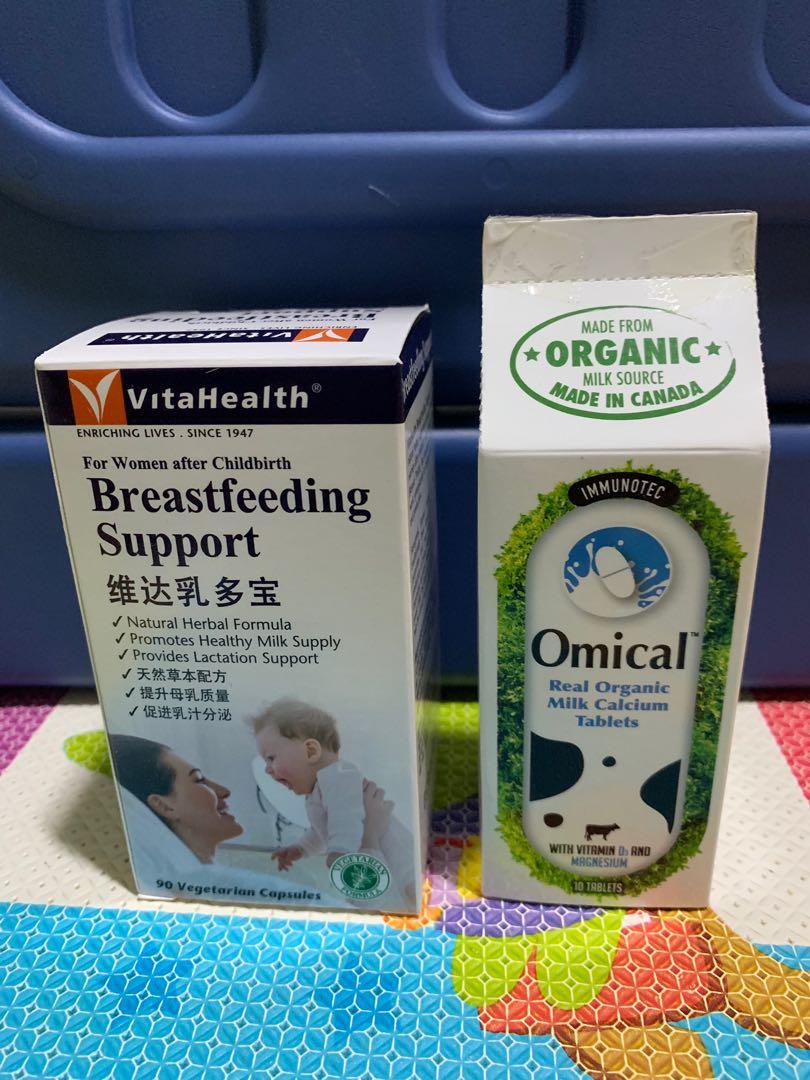
Calcium supplement for breastfeeding. Supplement name description calcium amount/tablet other Calcium supplementation produced a modest increase in spine bone mineral density in both lactating and nonlactating women, but the potential significance of this effect is unclear. Can you take calcium magnesium while breastfeeding?
Foods fortified with calcium, such as orange juice, cereals, and breads. Instead of taking a supplement with only calcium, you should take a supplement with calcium, magnesium and zinc combined, recommends kellymom.com. Not surprisingly, it is incredibly important to eat healthy while breastfeeding.
They are used to supplement the diet if the dietary intake of calcium is low. Breastfeeding women 1000 4 calcium supplements calcium supplements are available over the counter at chemists and supermarkets. Calcium should be consumed by all women before pregnancy, during pregnancy, and after breastfeeding;
A daily dose of 1,500 milligrams. Women who are breastfeeding can take calcium supplements. Calcium dosages this high should not be taken alone, but as a calcium/magnesium (or calcium/magnesium/zinc) combination.
Simply popping a calcium supplement could do more harm than good if you’re not also getting enough magnesium. Furthermore, since dairy is an important source of zinc alongside calcium, it is important to choose a calcium supplement containing zinc if you are not taking dairy while breastfeeding. It’s recommended that women who are pregnant or breastfeeding get at least 1,000mg of calcium each day, preferably from their diet.
Family doctors used to recommend calcium supplements to breastfeeding mothers, and some still do. If you are pregnant or breastfeeding, you will not be able to prevent this loss by consuming additional calcium. Aside from being another essential nutrient for breastfeeding mothers, vitamin d3 helps encourage calcium uptake through the intestine so that more of the calcium you ingest is absorbed quicker.
Calcium calcium is essential for the development and maintenance of strong bones and teeth (also for normal blood clotting, nerve function and enzyme activity). While taking excessive amounts of calcium will not prevent this bone loss, your body usually will compensate when you are finished breastfeeding and return to its former bone mass levels. The recommended calcium supplement dosage is between 500 mg calcium/250 mg magnesium and 1500 mg calcium/750 mg magnesium (the higher dosage is generally more effective).
Meanwhile, vitamin k2 assists in the absorption process, directing ingested calcium away from the arteries and encouraging it to bind to the bones. Breastfeeding has all sorts of benefits for both mom and baby. But the link between magnesium and breastfeeding is just as important to understand.
Adolescents should consume 1300 mg per day. A calcium supplement is appropriate when you�re breastfeeding if you don�t get enough calcium in your diet. Adult women need about 1000mg of calcium a day.
It is an essential nutrient throughout life for everyone and is especially important in children, adolescents, breastfeeding and postmenopausal women. Can you use calcium supplements while breastfeeding? Calcium dosages this high should not be taken alone, but as a calcium/magnesium (or calcium/magnesium/zinc) combination.
If the doctor feels that your diet does not have much of calcium and that you need a supplement to make your body receive an adequate amount of calcium, you may take a specific one as advised and prescribed by the doctor. The recommended calcium supplement dosage is between 500 mg calcium/250 mg magnesium and 1500 mg calcium/750 mg magnesium (the higher dosage is generally more effective). How much calcium and vitamin d should i take while breastfeeding?
She recommends that breastfeeding mothers get about 600mg of magnesium daily by contrast adult women who are not pregnant or breastfeeding are encouraged to get 300mg per day. However, if you’re unable to get the recommended amount of calcium in your diet, your doctor, midwife or obstetrician may recommend a calcium supplement. This can be obtained from pharmacies, larger supermarkets or health food shops.
Ask your pharmacist for more information regarding the below products. In addition, your doctor probably will prescribe a vitamin and mineral supplement to take during pregnancy and breastfeeding to ensure that you get enough of this important mineral. You should take calcium supplements only after consulting a doctor.
By best self care products january 12, 2022 black. Most importantly, the naturelo calcium supplement for breastfeeding includes 10 vitamins & minerals that work together to support healthy bone building and help maintain bone density, * including vitamin d, k2, c, zinc, magnesium, manganese, potassium, boron, and silica. Like muscles, bones respond to exercise by becoming stronger.
Calcium carbonate is cheapest and therefore often a good first choice. The problem with most calcium supplements is the amount of capsules you would have to swallow to get a therapeutic dose of calcium and magnesium. Breast milk.calcium lactate (13 percent elemental calcium) the two main forms of calcium supplements are carbonate and citrate.
Given the habitually lower calcium dietary intake and relatively high lactose intolerance rate in the general chinese population [12,15,17], calcium supplementation plays an important role on bone health, especially for exclusive breastfeeding women who provide around 300 mg of calcium per day to their babies via breast milk which accompany maternal bone. The department of health recommend that breastfeeding mums take a 10µg supplement of vitamin d;
Previous post
Calm magnesium breastfeeding