09
Jun
Your ovaries will not start creating progesterone again until your first menstrual cycle, which may create a temporary imbalance. When they stop breastfeeding, many women report feeling sad or depressed , as well as, moody and irritable.
Breastfeeding hormone imbalance. I recently discovered that i am suffering from adrenal fatigue and hormone imbalance and i am falling fast. Although as with breastfeeding, the dramatic hormone shift that happens when milk production decreases affects people as variously as all the other hormone shifts: Additionally, breastfeeding can create hormonal imbalances that you previously had not experienced.
While the above are nutritional guidelines that work for many women postpartum, before making any dietary changes we recommend you consult a credible practitioner who can provide personalized guidance based on your situation, labwork, and other elements unique to. Weaning, the process of slowly introducing a baby to solid foods while withdrawing its mother�s milk, can result in hormonal imbalance. August 24, 2020 by marissa khosh.
Does breastfeeding affect your hormones? Additionally, breastfeeding can create hormonal imbalances that you previously had not experienced. Women experiencing this in menopause, thus not not.
We can do this when we are producing too much estrogen or if our pituitary gland is out of whack. Hormones after weaning from breastfeeding. When they stop breastfeeding, many women report feeling sad or depressed , as well as, moody and irritable.
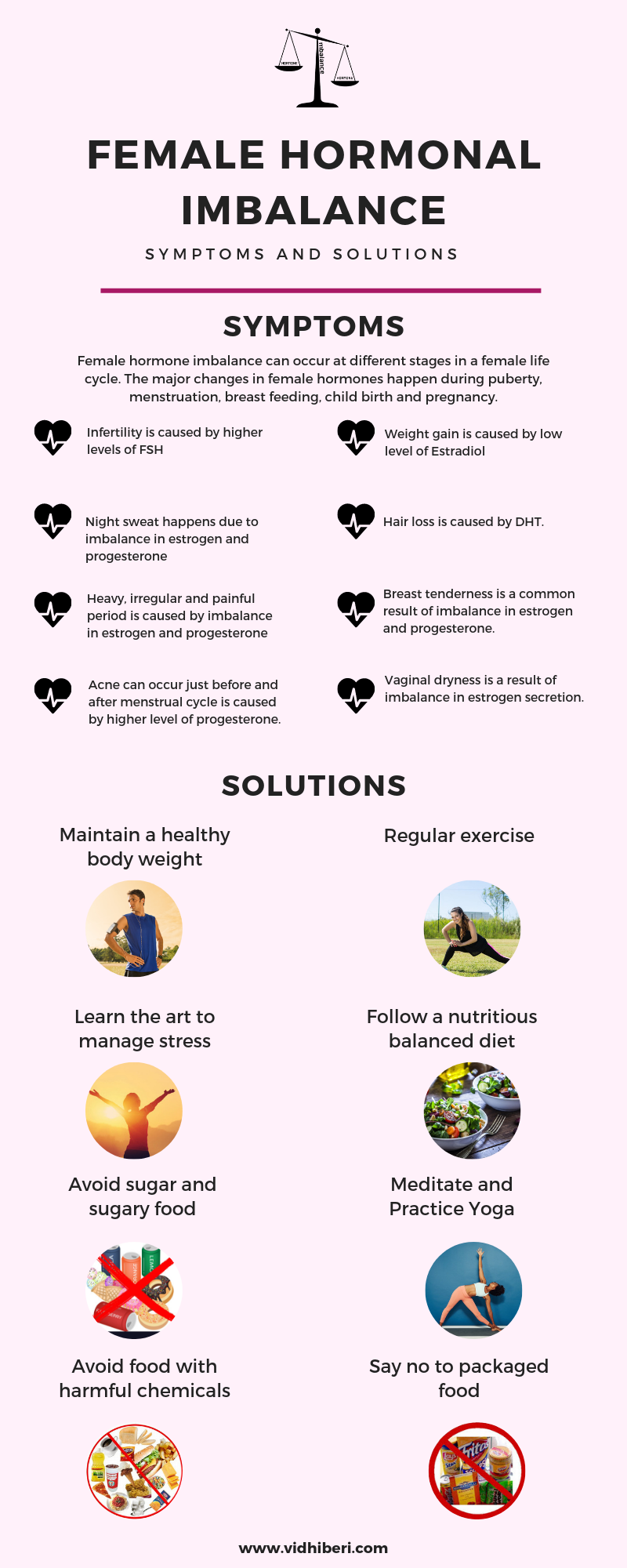
Continued breastfeeding extends this period for at least six months and for some women the lower levels may last as long as they are breastfeeding. The symptoms of hormonal imbalance in women include: Excessive hair growth (hirsutism) acne on the face, chest, or upper back.
Most women expect to have some challenges while breastfeeding. Breastfeeding welcomes more hormonal changes. You may know prolactin as the hormone mostly responsible for milk production, though its effects aren’t usually felt until after giving birth (when your increased progesterone, which counters the effects of elevated prolactin, sharply declines).
Birth (i’m starting to think of death as simply the ultimate hormone drop). All women have low levels of estrogen for the first couple of months after giving birth. In females of reproductive age, the most common hormonal imbalance is polycystic ovary syndrome (pcos).
Oxytocin is another one of the important breastfeeding hormones. The primary cause of hormonal imbalance post delivery is the changing levels of the female reproductive hormones called estrogen and progesterone. This is most likely due to a hormone imbalance.
Depending on which hormones are imbalanced, as well as. Hormones can fluctuate at different times in a person’s life, especially during: Keep in mind if you are breastfeeding, cycles may be irregular or nonexistent for a year or more, meaning, without ovulation, you aren’t producing progesterone, the calming counterpart to estrogen.
Your ovaries will not start creating progesterone again until your first menstrual cycle, which may create a temporary imbalance. It seems as if there is little to no end in sight in regards to nursing. The hormonal imbalance is also complicated and extended by breastfeeding which may delay ovulation, sometimes up to a year.
What mamas don’t expect is to have crazy hormones after weaning from breastfeeding! Breastfeeding lowers estrogen levels and can prevent ovulation, but not always, so you’ll need birth control to prevent another pregnancy. With the low estrogen during breastfeeding, just like in menopause, women can see atrophic changes to the vaginal tissue making it dry, thin, weak, easy to tear….and itchy like crazy.
It may last a few days, or it may go on for longer. Lower estrogen levels may cause vaginal dryness, tightness and tenderness. Moreover, breastfeeding can make periods irregular as well, making that source of progesterone unreliable.
The production of oxytocin is also caused by an infant’s suckling, but instead of making milk, it is responsible for the milk ejection reflex, also known as the “let down. the milk ejection reflex works as a reward for all of the baby’s hard work. The hormone levels change during puberty, pregnancy, breastfeeding, and menopause. I am currently nursing our 5th child, a 14 month old little girl.
See your doctor to discuss but it is most likely not actually milk after breastfeeding a year ago but rather a sign of your hormones being messed up right now.
Previous post
Breastfeeding hydration drinkNext post
Breastfeeding hoodie with zip